
Get Tree Canopy Thinning in Charles County, MD
Tree Canopy Thinning services help Charles County property owners improve safety, reduce storm damage risk, and enhance landscape appearance through professional pruning and selective removal.
Tree canopy thinning services are often considered by property owners in Charles County, MD to improve the overall health and longevity of their trees. Removing excess branches and foliage can reduce stress on the tree, helping it withstand storms and harsh weather conditions more effectively. Additionally, thinning can enhance air circulation and sunlight penetration, promoting healthier growth and reducing the risk of disease or pest infestations that may compromise the tree’s durability over time.
Beyond health benefits, canopy thinning can significantly improve a property’s appearance and functionality. By selectively reducing dense foliage, property owners often experience increased safety and visibility around their landscape, decreasing the likelihood of falling branches and debris. This work can also boost curb appeal by creating a more balanced and well-maintained look, while potentially reducing ongoing maintenance needs and enhancing outdoor comfort for residents and visitors alike. Local service providers can assist in achieving these improvements with professional expertise tailored to specific landscape needs.
- Tree Canopy Thinning Services - needed when overgrown branches threaten to obstruct power lines or block sunlight to properties.
- Tree Canopy Thinning Services - suitable for reducing wind resistance and minimizing the risk of storm damage in urban or suburban areas.
- Tree Canopy Thinning Services - recommended when trees are crowding structures or other vegetation, impacting overall landscape health.
- Tree Canopy Thinning Services - beneficial for improving air circulation and light penetration in dense wooded areas near residential communities.
- Tree Canopy Thinning Services - utilized to maintain tree health and aesthetics while ensuring safety around high-traffic or public spaces.
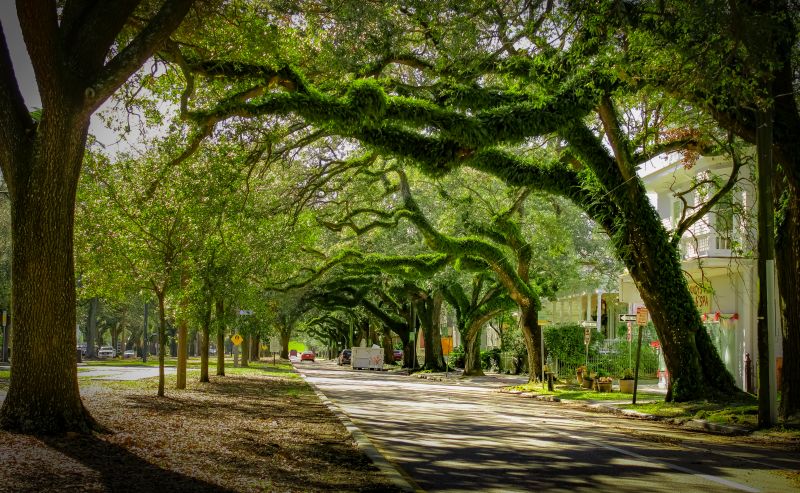
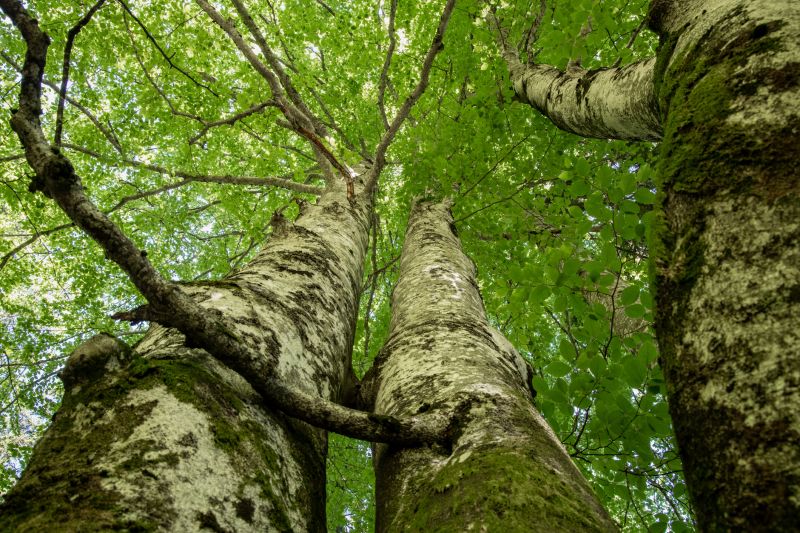
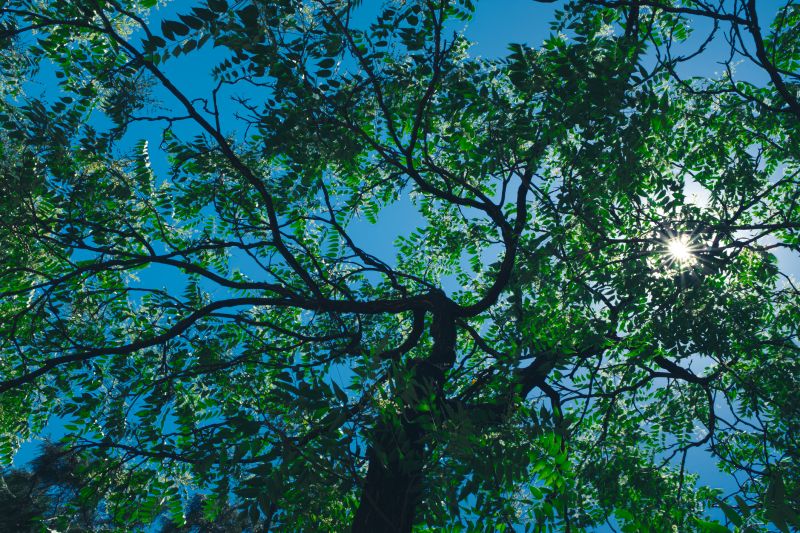
Tree canopy thinning services involve selectively reducing the density of branches and foliage within a tree’s crown. This process is designed to improve air circulation, increase sunlight penetration, and reduce overall weight on the branches. Professionals typically assess the health and structure of the tree to determine which limbs can be safely removed without compromising the tree’s stability. The goal is to achieve a balanced canopy that promotes healthier growth and enhances the tree’s appearance while minimizing the risk of branch failure.
One of the primary issues addressed by canopy thinning is the prevention of branch breakage, especially during storms or high winds. Overgrown or densely packed canopies can create stress points and increase the likelihood of limbs falling, which may pose safety hazards or cause property damage. Thinning can also help reduce the risk of disease by improving airflow and decreasing moisture retention within the foliage. Additionally, it can alleviate the strain on the tree’s trunk and roots, contributing to its overall health and longevity.
Properties that typically utilize canopy thinning services include residential yards, commercial landscapes, and public parks. In residential settings, thinning can improve the safety and aesthetics of a yard by reducing the risk of falling branches and allowing more sunlight to reach lawns and gardens. Commercial properties and municipal parks often adopt these services to maintain safe, accessible outdoor spaces and to ensure the health of large, mature trees. Trees located near power lines, buildings, or high-traffic areas are common candidates for canopy thinning to prevent interference and potential hazards.
Professional tree care providers who offer canopy thinning services are equipped to evaluate each tree’s unique structure and needs. They use specialized pruning techniques to carefully remove excess foliage and branches, aiming to preserve the tree’s natural shape and health. Property owners interested in improving their landscape’s safety, appearance, or tree vitality can contact local arborists or tree service companies to discuss the benefits of canopy thinning and how it can be integrated into ongoing tree maintenance plans.
The overview below groups typical Tree Canopy Thinning projects into broad ranges so you can see how smaller, mid-sized, and larger jobs often compare in Charles County, MD.
In many markets, a large share of routine jobs stays in the lower and middle ranges, while only a smaller percentage of projects moves into the highest bands when the work is more complex or site conditions are harder than average.
Per-Tree Thinning - Costs typically range from $100 to $300 per tree, depending on size and complexity. Larger or more difficult trees may increase the overall expense. Local pros can provide tailored estimates based on specific needs.
Property-Wide Thinning - Service prices generally fall between $1,000 and $3,500 for an average-sized property. Factors influencing the cost include the number of trees and the extent of thinning required. Exact quotes depend on site-specific conditions.
Equipment and Labor - Expenses for equipment and labor usually range from $50 to $150 per hour. The total cost varies based on project size and accessibility. Local service providers can offer detailed pricing for different job scopes.
Additional Services - Costs for supplemental services like debris removal or pruning can add $200 to $800 to the overall price. These services are often bundled with thinning or billed separately, depending on the provider. Contact local contractors for customized estimates.
Actual totals will depend on details like access to the work area, the scope of the project, and the materials selected, so use these as general starting points rather than exact figures.
Tree Canopy Thinning services involve selectively reducing the density of tree foliage to improve air circulation and light penetration. Local service providers can assist with assessing canopy health and performing the necessary thinning work.
Urban Tree Management includes canopy thinning as a method to prevent overgrowth and maintain the overall health of city or residential trees. Contractors experienced in urban forestry can provide these specialized services.
Storm Damage Prevention involves canopy thinning to reduce the risk of branch breakage during storms, helping to protect property and public safety. Local arborists can evaluate and perform appropriate thinning procedures.
Tree Health Optimization services may include canopy thinning to reduce stress on trees and promote healthier growth. Professionals in tree care can determine the appropriate thinning strategies for individual trees.
Landscape Tree Care encompasses canopy thinning to enhance landscape aesthetics and prevent overcrowding among trees and shrubs. Local landscape service providers can offer tailored thinning solutions.
Risk Reduction Services involve canopy thinning to mitigate hazards caused by weak or overextended branches, supporting safety around residential and commercial properties. Experienced tree care contractors can conduct these services efficiently.
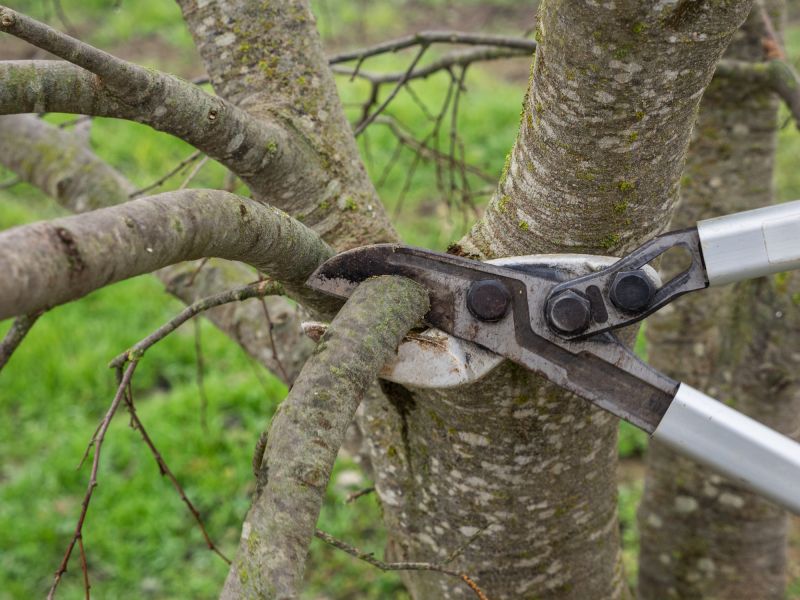
When evaluating local professionals for tree canopy thinning services, it is important to consider their experience with similar projects. Homeowners should look for providers who have a proven track record in managing tree thinning, particularly within the local area such as Charles County, MD. Experienced contractors are more likely to understand the specific needs of trees in the region, enabling them to deliver effective results while maintaining the health of the canopy. Gathering information about their previous work can help determine if their expertise aligns with the scope of the project.
Clear communication about project expectations is essential when working with tree thinning service providers. Reputable local pros typically provide detailed descriptions of their process, including the scope of work, methods used, and any necessary preparations or follow-up care. Homeowners should seek professionals who are transparent about what the service entails and who are willing to answer questions thoroughly. Establishing written expectations early on can help ensure that both parties share a mutual understanding of the project's goals and outcomes.
Reputable references and strong reputations are key indicators of reliable tree canopy thinning providers. Homeowners are encouraged to seek out local pros with positive reviews or testimonials from previous clients in the area. Additionally, verifying references can provide insights into the contractor’s professionalism, quality of work, and ability to communicate effectively throughout the project. Good reputation and references help ensure that the selected service provider is dependable and capable of delivering satisfactory results, making the process smoother and more predictable.
Property owners in Charles County, MD use Tree Canopy Thinning services for practical projects around their homes and businesses. The sections below highlight everyday jobs and straightforward project options.
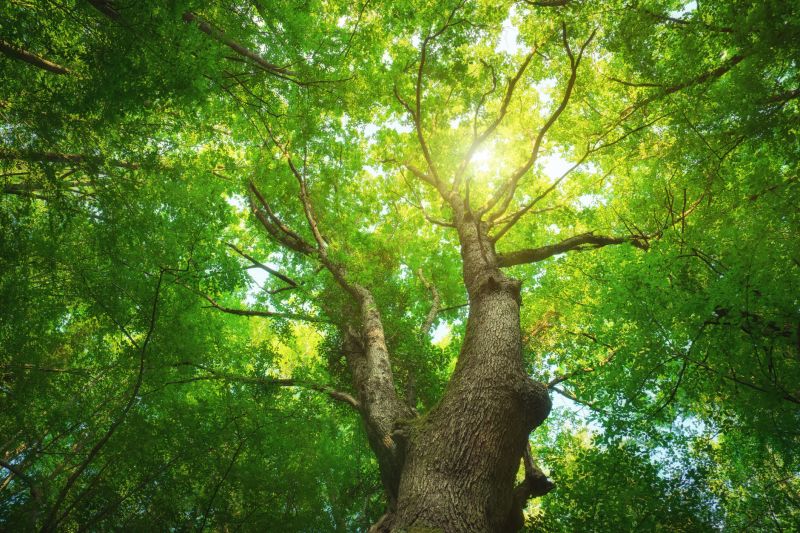
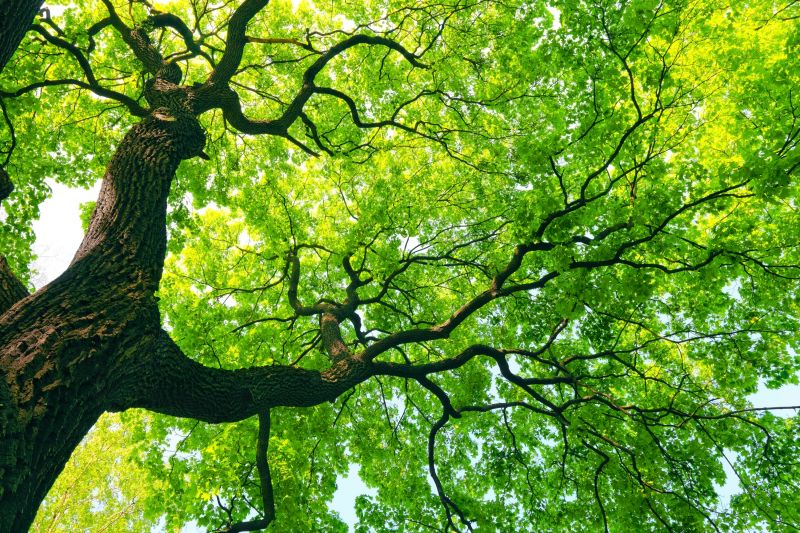
Tree canopy thinning services are often sought by property owners in Charles County, MD who notice overgrown or dense branches beginning to block sunlight or impede airflow around their homes and yards. This work can help improve the overall health of trees by reducing weight and stress on branches, potentially preventing damage during storms. Property owners may also pursue canopy thinning to enhance visibility, increase natural light, or create a more open landscape that aligns with their aesthetic or functional goals.
Additionally, those managing trees near structures or utility lines often consider canopy thinning to reduce the risk of branches causing damage or interference. It can also be a proactive step to maintain safety and accessibility in outdoor spaces. Local service providers can assist with assessing the condition of trees and performing thinning work tailored to specific property needs, ensuring trees remain healthy while minimizing hazards.
What is tree canopy thinning? Tree canopy thinning involves selectively removing branches to reduce the density of a tree's foliage, improving airflow and light penetration.
Why consider tree canopy thinning? Thinning can help reduce the risk of storm damage, improve tree health, and prevent overgrowth that may interfere with structures or power lines.
Is tree canopy thinning suitable for all trees? Not all trees require thinning; a professional assessment can determine if thinning is appropriate based on the tree's species and condition.
How do local service providers perform canopy thinning? Experienced contractors use specialized techniques and tools to carefully remove selected branches, ensuring the tree's overall health and stability.
How often should tree canopy thinning be done? The frequency depends on the tree's growth rate and health; a local arborist can recommend an appropriate schedule based on individual circumstances.
Tree Canopy Thinning Benefits - Thinning tree canopies can improve sunlight penetration and air circulation, supporting healthier landscape growth. Local service providers can assess and recommend suitable thinning strategies.
Professional Tree Canopy Thinning - Experienced arborists and tree care specialists can perform canopy thinning to enhance tree health and prevent overgrowth issues.
Tree Canopy Thinning Techniques - Service providers utilize various thinning methods tailored to tree species and landscape needs to ensure proper growth and safety.
Contact Local Tree Care Experts - Reach out to qualified professionals in Charles County, MD, and nearby areas for tree canopy thinning services suited to specific landscape requirements.
Considering Tree Canopy Thinning for a property in Charles County, MD? The sections above highlight common project types, practical options, and details that often shape the scope of work.
When you are ready, use the quote form to share a few details about your project. Local pros can review the basics and respond with options that match what you have in mind.